
Golf bag full of clubs on a sunlit fairway, a golfer swinging in the background

Fittings & ServicesWedge Fitting

Custom club fitting

Wedge Fitting

The clubs you use inside a hundred yards, matched to the way you actually take turf.

A Wedge Fitting takes an hour. Most of it is bounce and grind, which is the part almost nobody buys correctly off the rack: the same wedge behaves differently depending on how steeply you come into the ball and what you play on. Your fitter measures that rather than asking about it.

1 hour · $100 reduced to $50 with custom club purchase · TrackMan + AI Fitter Co-Pilot

1200 rpm more spin
2 strokes saved per round
8 feet closer to the pin
9 yards of gapping recovered

Source: Golf Digest study, 2013

The short game, measured rather than guessed

Three wedges, gapped down from your pitching wedge, with the sole matched to your strike and your turf.

Gapping

From the pitching wedge down

What we measure

Carry, distance gaps

A yardage for every shot inside a hundred.

Bounce and grind

Sole shape against your strike

What we measure

Contact, turf interaction

Clean contact from turf and from sand.

Spin

Groove, loft and shaft together

What we measure

Spin, launch, roll-out

Shots that check up instead of running out.

Irons are not covered here. If your gaps start higher up the bag, an Iron & Wedge Fitting takes both in together.

21yards gained off the tee, on average, in the Golf Digest study (2013)

Averages are averages, and these come from a study rather than a promise. Here is what golfers say about their own fittings.

✓ Perfect Fit Guarantee

The tools that make it measurable

Three systems cover the whole bag and the decisions behind it, and all of them are in every Club Champion studio.

Golfer addressing a driver on a tee box on a desert course

Trackman

The radar the PGA measures on, built on the same tracking technology used for military projectiles. It reads ball speed, spin, launch and club delivery on every swing, so a shaft or head change shows up as a number instead of a feeling.

Used for woods, irons and wedges

Golfer crouched behind a putt, reading the line to the hole

SAM PuttLab

Ultrasound analysis that reads 28 parameters of your putting stroke in seconds. It sets your putter’s length, loft, lie and toe hang against how you actually roll the ball, not how you think you do.
Used for the putter

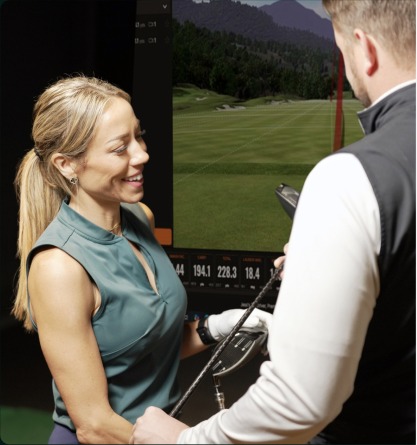
Master Fitter handing a golfer a club in a fitting bay, launch monitor numbers on the screen behind

AI Fitter Co-Pilot

More than 65,000 head and shaft combinations exist across the brands we carry. Our fitting software reads your session data live and narrows that field to the handful your numbers actually support, so your fitter spends the session testing rather than searching.
Used across every fitting

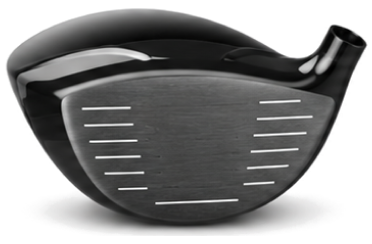
A driver head
Head
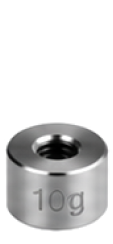
A 10 gram head weight
Weight
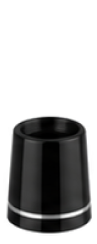
A ferrule
Ferrule
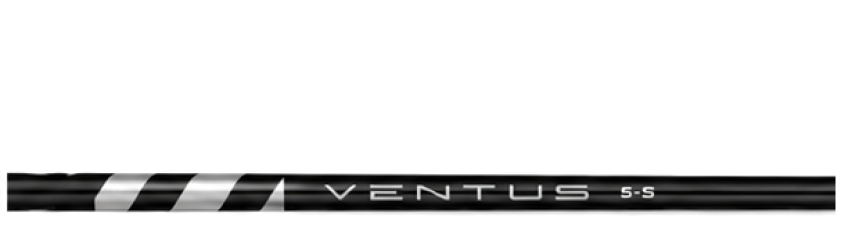
A graphite shaft
Shaft
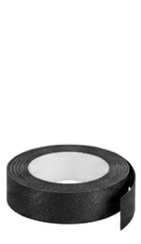
A roll of grip tape
Tape
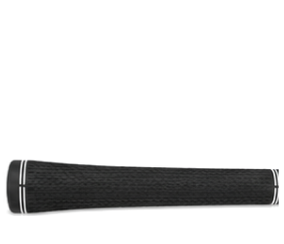
A grip
Grip

Each piece is sourced separately, weight-sorted and assembled to tight tolerances by a Master Builder, then checked back against your build sheet. Change one and the numbers change.

How a Wedge Fitting runs

An hour on the short game, gapped from the pitching wedge down.

What gets tested, in order

Golfer hitting an iron in a fitting bay, TrackMan shot data on the screen

Talk through your game

The shots you do not trust inside a hundred yards, and what you play on.

What you walk out with

Every spec written down, and a build that matches it.

Your build sheet

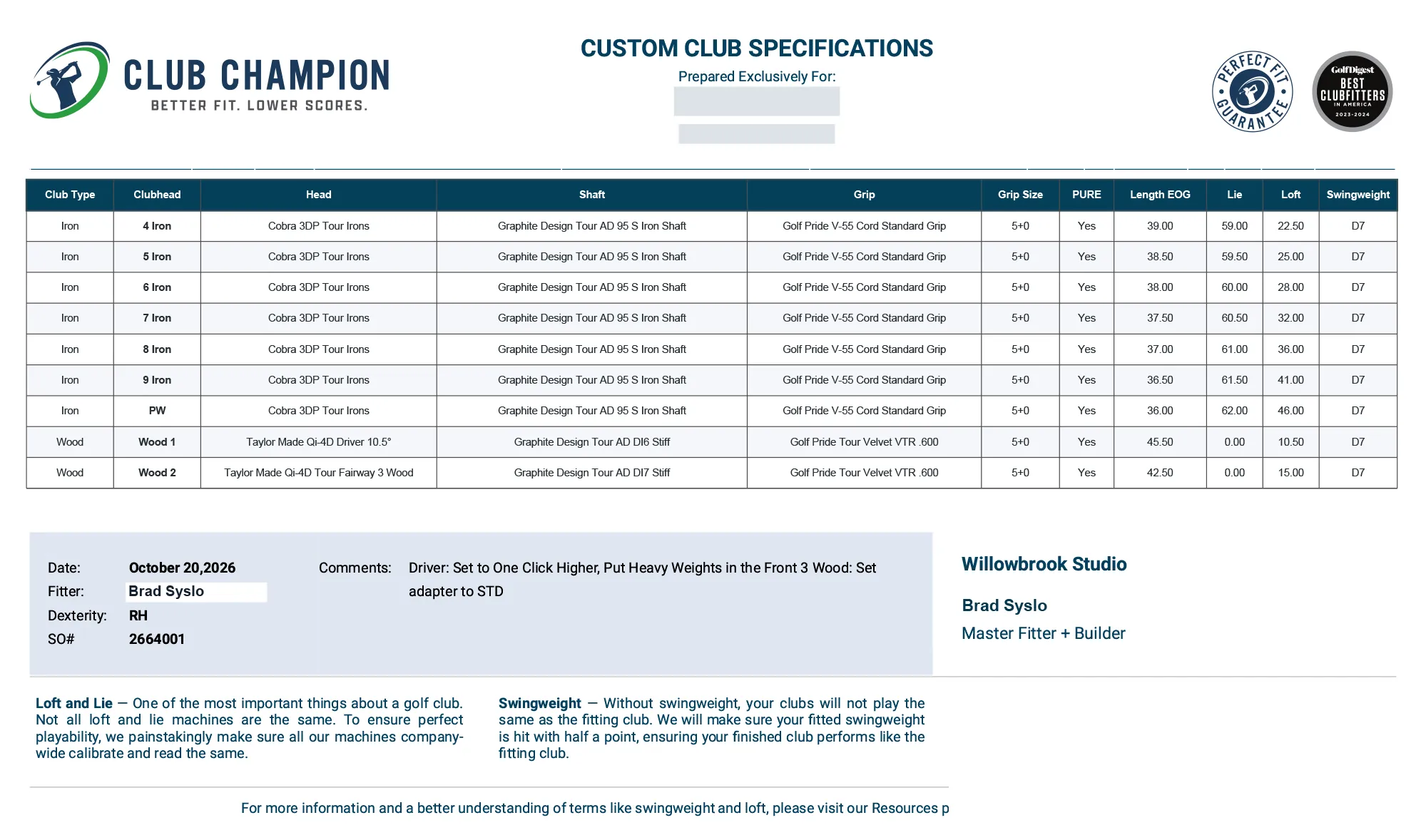
The session ends with a build sheet listing the exact specs for every club it covered: head, shaft, length, lie, loft, swingweight and grip. Alongside it sits an itemized recommendation showing what each piece costs.

Nothing is bundled and nothing is withheld. The sheet is yours to keep whether you order that day or not.

No spiffs, no house brand

Your fitter is paid the same whatever you buy. There is no incentive to steer you toward one manufacturer, so the recommendation on your sheet is the one your numbers produced.

Built by Master Builders

Your order goes to a build shop, not an assembly line. Master Builders assemble each club to the specs on your sheet, and we email you as it moves.

SST PUREing

No shaft is perfectly consistent around its axis. SST PUREing finds each shaft’s most stable orientation and aligns it that way in the build.

Brands we carry

Titleist
Callaway
Cobra
Mizuno
Odyssey
PING
PXG
Titleist
Callaway
Cobra
Mizuno
Odyssey
PING
PXG

What it costs, and what that buys

You pay for the fitting once. The clubs it produces carry lifetime loft, lie and length adjustments, and the Perfect Fit Guarantee sits behind the build.

A lower fee with a custom club purchase.

A Wedge Fitting costs $100 and takes about 1 hour. With a custom club purchase, the fee is $50.

Buy custom clubs during your visit and fittings become $100 for a full bag, $50 for anything else.

P.A.R. members get one complimentary fitting a year (not valid on Full Bag).

Wedge Fitting

Gap, sand and lob wedges: spin, launch and contact

1 hour

$100$50

Book fitting

Iron & Wedge Fitting

Long irons through lob wedge, fit as one set

1.5 hours

$175$50

Book fitting
  • Loft/lie adjustmentsKept dialed in for good
  • Perfect Fit GuaranteeRight, or we make it right
  • Fit by a Master FitterTour-level tools and training

Wedge Fitting questions, answered

What golfers ask most before booking a wedge session.

What happens in a wedge fitting?

A wedge fitting follows the same core process as a driver or iron fitting, with added focus on the turf conditions you play, how you typically use your wedges, and your attack angle — since these determine which grinds and bounce options are tested. You leave with full component and build specifications and no purchase obligation.

What wedge bounce should I use?

It depends on your attack angle, the shots you typically play, and the turf conditions at your course — variables best tested in a wedge fitting rather than guessed.

What is wedge bounce?

Bounce is the angle between a wedge’s leading edge and the lowest point of its sole, which controls how the club interacts with turf, rough, or sand. More bounce helps the club exit the ground faster; less bounce lets it dig deeper — and the right amount depends on your attack angle, typical shots, and course conditions.

What is wedge grind?

Wedge grind is the shaping of a wedge’s sole — removing specific material to change how the club interacts with the ground for different shot types and turf conditions.

Why is wedge gapping important after an iron fitting?

Your distance needs don’t stop at your lowest iron — wedge gapping extends that same distance ladder into your greenside game, which is why it’s addressed in either your iron fitting or a dedicated wedge fitting.

Do wedge shafts matter?

Yes — the wedge shaft directly affects how close your approach and greenside shots finish to the pin, making it worth the same individualized attention as any other shaft.

How often should I replace my wedges?

Replacement timing varies by golfer, but wedges wear faster than other clubs due to frequent use — a wedge fitting can confirm whether your current grooves are still performing.

Do wedge grooves wear out?

Yes — normal use gradually wears wedge grooves, which changes how the ball reacts off the face. A wedge fitting can confirm whether it’s time to replace them.

More on Wedge Fitting → More on Iron Fitting →

Ready to fix the short game?

Book the session, or talk it through with a fitter first.

Book your Wedge Fitting

Pick your studio and a time that works. An hour on the wedges, and you leave with the build sheet.

Not sure the wedges are the problem?

Call your local studio for a free 15-minute consultation. Our fitters will talk through your game and say honestly whether a different fitting would do more for you.