
Learn

Everything we know about playing better golf.

Guides, videos and plain-English breakdowns from our Master Fitters and Master Builders.

Golfer addressing a driver on a tee box on a desert course

What’s new.

New guides, reviews and breakdowns, added as we publish them.
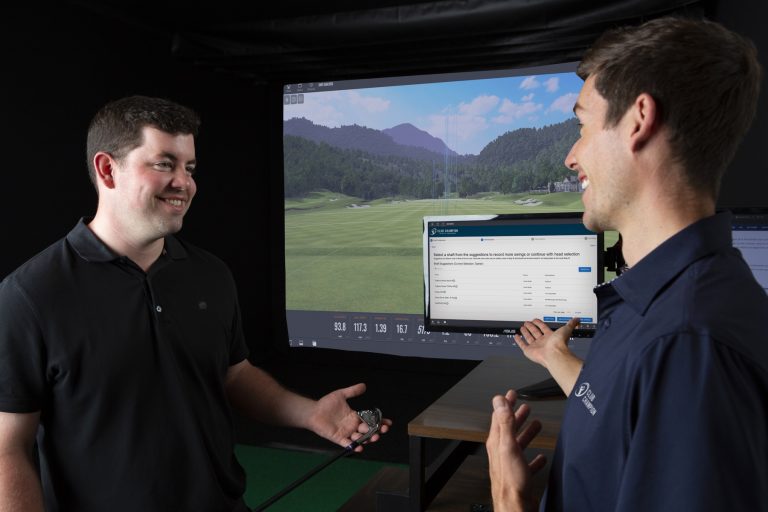
A.I. Fitter Co-Pilot

Blog

A.I. Fitter Co-Pilot

Club Champion's proprietary A.I. Fitter Co-Pilot – trained on nearly one million real fitting swings per month – works alongside expert fitters to deliver…
October 2026

Read it
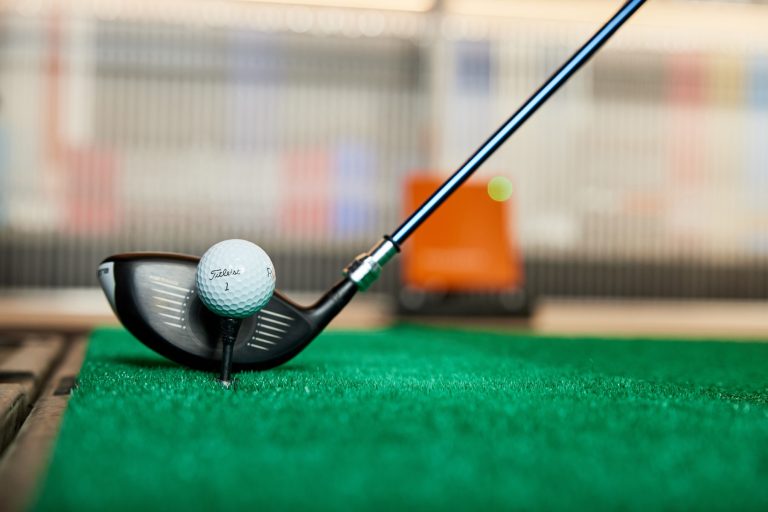
When to Get a Golf Fitting or Refitting

Blog

When to Get a Golf Fitting or Refitting

Whether you've been taking lessons, recovering from an injury, or just noticing your ball flight is off, this guide gives you a practical club-by-club…
August 2026

Read it
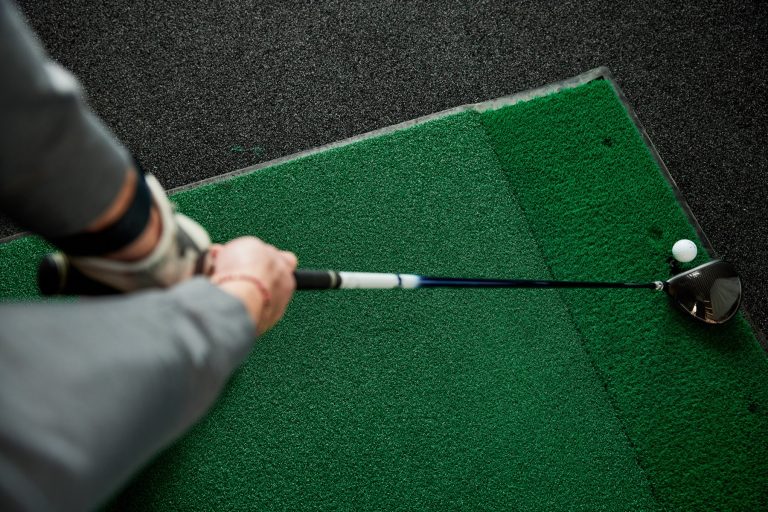
What Is a Driver Fitting — and What Should You Expect?

Blog

What Is a Driver Fitting — and What Should You Expect?

A professional driver fitting at Club Champion uses TrackMan launch monitor data and AI-powered analysis to dial in the ideal shaft and head combination…

August 2026

Read it
How Much Does a Golf Club Fitting Cost?

Blog

How Much Does a Golf Club Fitting Cost?

Club Champion's fitting fees range from $100 to $400 – and every dollar is credited toward your purchase – making a professional golf club…

August 2026

Read it

Where do you want to get better?

Pick what you want to improve and browse everything we have on it. Videos, guides, articles and episodes, mixed together.

  • More distance off the tee
  • Straighter, more consistent flight
  • Sharper approach and scoring

Which fitting matters most?

How often you actually use each club in a round, and what it decides about your score.

12–14Driver

tee shots a round, and every one of them decides how long your next shot is.

6–10Long Game

shots a round from the fairway and the rough, where a big miss costs the most.

30–40Iron & Wedge

full swings a round. This is the scoring engine, and where greens are won.

2–4Fairway / Hybrid

shots a round filling the gap between your driver and your longest iron.

12–20Wedge

shots a round from inside 100 yards, where most golfers lose the most strokes.

38%Putter

of the strokes in a typical round are putts, on very nearly every hole.

Most complete

Full Bag Fitting

Every club fit as a set, so your gaps are even and no two clubs are doing the same job. It is the only fitting that makes the whole bag work as one thing.

See the Full Bag Fitting

Find your Fit

Club technology, part by part.

Four decisions go into every club. Here is the short version, with the full breakdown on Club Technology.

Head

How forgiving it is, and how high it launches.

Shaft

Your timing, your launch, and where you strike it.

Grip

How hard you hold on, and how much the face turns.

Build specs

Loft, lie, length and swingweight, set at build.

Brand agnostic across every OEM we carry

65,000+ combinations, fit to your numbers across every brand we carry.

  • Titleist
  • TaylorMade
  • Callaway
  • PING
  • PXG

Buying guides.

Not what to buy, but how the choices differ and which type of golfer each one suits.

Choosing your first wedge setup

If you play firm turf and shallow bunkers, one bounce range suits you. If you play soft and fluffy lies, a different one does.

Driver shafts by swing type

If you load the shaft late and hard, certain bend profiles suit you. If your tempo is smooth and early, others will.

Driving iron, hybrid or 7-wood

If you sweep the ball off the turf, one of these three suits your delivery. If you hit down on it, another one does.

Putters and toe hang

If your stroke arcs noticeably, one balance suits you. If the face stays square through the ball, another one does.

The questions we get most.

The fitting terms golfers ask about most

What is swingweight?

Swingweight is a measurement of how a golf club’s weight is distributed and how heavy the clubhead feels relative to the grip when the club is swung. It is measured on a standardized scale using a 14-inch fulcrum and expressed with letter-number values such as D2 or D4. There is no USGA or R&A swingweight limit.

What is smash factor?

Smash factor is ball speed divided by club speed, a Trackman metric that describes how efficiently club speed is converted into ball speed. A driver smash factor near 1.50 is an excellent benchmark; for example, 100 mph of club speed with a 1.50 smash factor produces about 150 mph of ball speed. The USGA and R&A regulate clubhead spring effect through equipment-conformance tests rather than by setting a smash-factor limit.

What is dispersion in golf?

Dispersion is the pattern of variation across multiple shots hit with the same club, combining both distance and direction into a visual shape (like a circle or oval) that shows shot consistency.

What is shaft torque?

Torque is how much a shaft twists through the swing. Higher torque shafts feel more flexible and generally suit slower swing speeds; lower torque shafts feel stiffer and generally suit faster swing speeds.

What does ‘kick point’ mean in a golf shaft?

Kick point is the section of the shaft that bends most during the swing, influencing trajectory and feel. A higher kick point (closer to the grip) generally produces lower trajectory and a stiffer feel; a lower kick point generally produces higher trajectory and a more flexible feel.

More on Launch Monitor Data → More on Golf Shafts →

The rabbit hole.

The terms that actually decide how a club performs, defined plainly, with why each one matters.

From the glossary

Swing weight

How heavy the head feels through the swing, which is not the same thing as what the club weighs on a scale.

Why it matters

Two clubs at identical total weight can feel nothing alike. We set this deliberately on every build, and off the shelf nobody sets it for you.

From the glossary

Kick point

The point on the shaft that bends the most when the shaft is loaded.

Why it matters

A lower kick point launches the ball higher, a higher one launches it lower. It changes flight without touching loft, which is why we choose the shaft before the head.

From the glossary

Toe hang

How far the toe of a putter drops when you balance the shaft on one finger.

Why it matters

It should match the arc your stroke already has. Most golfers have never had it measured, and pick a putter on looks instead.

Ready for your next step?

Two ways forward, depending on where you are right now.

New to fitting?

Start with what a fitting actually is, who it helps, and whether it is worth it for the golf you already play.

Ready to get fit?

Choose the fitting that matches what you want to improve, then see exactly what happens in a session.